
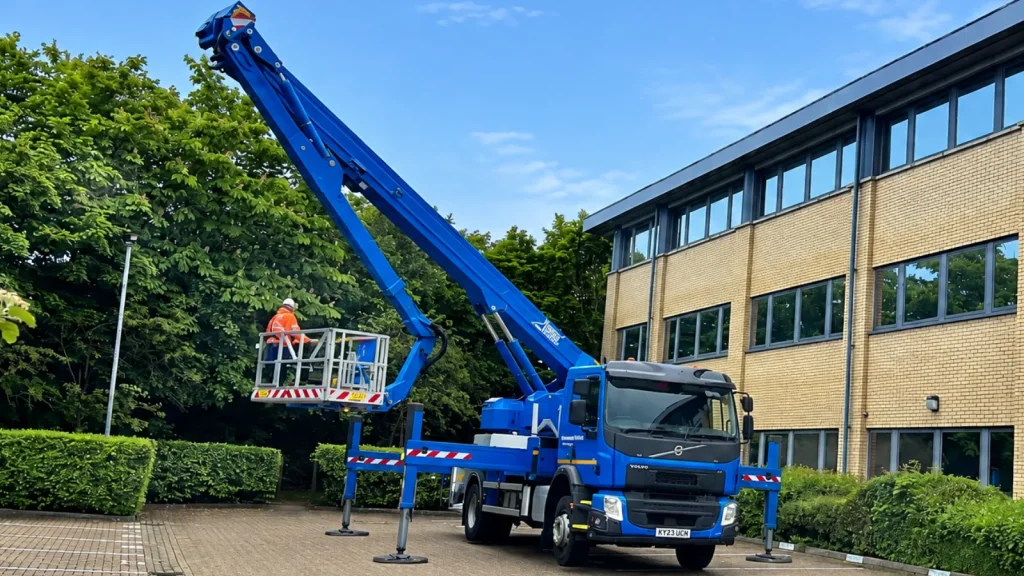
Working at height is an important consideration for commercial property owners, facilities managers and those responsible for building maintenance.
Whether accessing a roof for routine inspections, carrying out repairs or maintaining rooftop equipment, appropriate safety arrangements are essential to protecting those undertaking the work.
Understanding the importance of suitable access systems, regular inspections and ongoing compliance can help building managers make informed decisions about their properties.
What Is Work at Height?
Work at height refers to work undertaken in any location where a person could fall a distance liable to cause personal injury if suitable precautions were not in place.
This includes activities carried out on commercial roofs, elevated platforms, access ladders and other areas where a fall risk exists.
In the UK, the Work at Height Regulations 2005 establish requirements for planning, organising and carrying out work at height safely.
Those responsible for arranging such activities must ensure that the work is appropriately assessed, planned and undertaken by competent individuals.
The Importance of Safe Roof Access
Commercial rooftops often contain equipment and installations that require periodic inspection or maintenance.
These may include ventilation systems, drainage outlets, rooflights, plant equipment and other building services.
Providing suitable access arrangements helps ensure that maintenance activities can be undertaken safely and efficiently.
Depending on the building and the nature of the work, appropriate solutions may include:
- Fixed access ladders
- Roof walkways
- Guardrail and edge protection systems
- Fall restraint systems
- Fall arrest systems
- Designated access routes
The selection of suitable systems should be based on a thorough assessment of the building, the activities being undertaken and the associated risks.
Understanding Fall Protection Systems
Fall protection systems play an important role in managing the risks associated with working at height.
Collective protection measures, such as guardrails, are generally prioritised over personal protection systems where reasonably practicable.
Fall restraint systems are designed to prevent users from reaching a position where a fall could occur.
Fall arrest systems, by comparison, are intended to limit the consequences of a fall after it has occurred.
These systems have different requirements relating to design, installation, inspection, user training and emergency rescue arrangements.
Appropriate selection is essential to ensure the chosen solution is suitable for its intended application.
Why Regular Inspections Matter
Work at height safety systems can be affected by environmental exposure, general wear, building alterations and ongoing use.
Regular inspection and maintenance are important to ensure that installed systems remain suitable for their intended purpose.
Potential issues may include:
- Damaged or deteriorating components
- Loose fixings or connections
- Corrosion
- Changes to roof layouts or access arrangements
- Missing identification or inspection records
Inspection requirements vary depending on the equipment, applicable standards, manufacturer recommendations and the circumstances of use.
Identifying potential defects early allows appropriate corrective action to be considered before systems are used.
Supporting Building Safety and Compliance
Maintaining safe access arrangements is an ongoing responsibility rather than a one-off consideration.
Building owners and facilities managers should understand what safety systems are installed, their intended use and the arrangements required for inspection and maintenance.
Keeping appropriate records can also support ongoing management and demonstrate that relevant safety considerations are being addressed.
Where building use, rooftop equipment or maintenance requirements change, existing access and protection arrangements may need to be reassessed.
How Salt Town Contractors Can Help
Salt Town Contractors provides specialist work at height safety systems and compliance solutions for commercial buildings across the UK.
Our team works with property owners, facilities managers and building professionals to understand access requirements and identify practical solutions suited to individual properties.
By considering roof access, safety systems and ongoing maintenance requirements together, we aim to help clients manage their buildings safely and effectively.
Looking to review your building’s work at height safety arrangements?
Contact Salt Town Contractors to discuss your requirements and explore appropriate access and safety solutions for your property.